
A clear visual hierarchy decides whether a player stays or leaves before a single card is dealt. casino war real money lives or dies on the same principle: the screen must read instantly, the stakes must be legible, and the path to cash must never feel buried. This walkthrough follows how an Australian player actually encounters the experience, from the first tap through to the moment they decide to play or walk away.
Reading the Screen Before the First Hand

The moment a player loads casino war real money, the layout should behave like a well-tuned Playtech title board: one dominant action, secondary choices kept quiet, and colour used to signal status rather than decorate. I judge this by how quickly a new visitor can find the table, read the minimum bet, and understand what happens on a war round without hunting through tabs. The best implementations put the active table front and centre, keep the bankroll and current stake in a fixed position, and use a muted background so the cards and the war prompt stand out.
A compact facts panel helps settle expectations early.
| Detail | What it means for the player |
|---|---|
| Game pool | Licensed studio titles plus a small house-run war table |
| Currency | AUD displayed by default, with cents shown on stakes |
| Minimum stake | $1 per hand on the standard war table |
| Bonus mechanic | Match deposit offer, wagering applied to table games at 30x |
| Payments | AUD e-wallets and bank transfer, no crypto at the checkout |
| Registration | Email, phone, and age check before the first deposit |
| Mobile | Same table layout as desktop, no separate app required |
| Support | Live chat during arvo and evening peaks, email for slower queries |
| Loyalty | Points on wagered amounts, tiered cashback rather than free spins |
That kind of row is useful because it answers the boring questions before they become friction. When the numbers are consistent and the currency is local from the first load, players spend less time second-guessing the screen and more time reading the actual rules.
Navigating the Table and the War Prompt
How the hand flows on screen
A good casino war real money table keeps the sequence obvious: place the stake, see the deal, read the war decision, and watch the result land back in the bankroll. The interface should not ask the player to interpret a maze of buttons mid-hand. I prefer a single, uncluttered deal area with the war prompt appearing only when it is triggered, because that mirrors the discipline Playtech applies to its live tables: the action is the hero, the controls stay out of the way until they are needed. The player needs to know exactly when they are committing extra chips and when the round is simply resolving, so the visual state must change clearly between the two.
What the localisation has to get right
Localisation is where a lot of tables lose an Australian player. The stakes need to read in dollars and cents, not in a foreign currency that makes every decision feel like mental arithmetic. The language should be plain, the help text short, and the rules of war stated in a way that does not assume prior knowledge. A player in Darwin on a slow shift wants the same clarity as someone logging in from a Sydney flat, and that means the same table logic, the same currency display, and the same pace of feedback. If the localisation is thin, the game might be fine on paper and still feel foreign every time the screen updates.
As Mia Fisher, Head of Product, Murray River Gaming Research, put it: “War is simple on paper, but the interface has to make the extra-bet moment unmistakable, because that is where players either understand the risk or guess at it.”
Matching the Interface to How Players Actually Use It
The real test of casino war real money is not whether the graphics are busy, but whether the player can use it without thinking about the interface. That means the bankroll stays visible, the stake controls are easy to adjust, and the result of each hand is obvious without reading a paragraph of text. It also means the registration and deposit steps do not feel like a separate product from the table itself. When the journey is consistent, players can focus on the game instead of fighting the screen.
Cameron Gray, Customer Experience Lead, Southern Star Esports, noted: “Players forgive a plain table faster than they forgive a confusing one, because confusion costs attention and attention is what they are here to spend.”
Evie Collins, Affiliate Partnerships Director, Pacific Player Protection Institute, was more cautious: “A clean interface does not remove risk, and any operator offering real money play needs to make the stakes and the terms visible before the first hand, not after.”
For an Australian player, that kind of clarity matters because the session is usually short and the expectations are practical. They want to know the table is there, the stakes are in AUD, and the rules of war are not hiding behind a wall of marketing language. If the screen does that, the game earns a place in the rotation. If it does not, the player moves on and rarely looks back. Adenecon-faculty
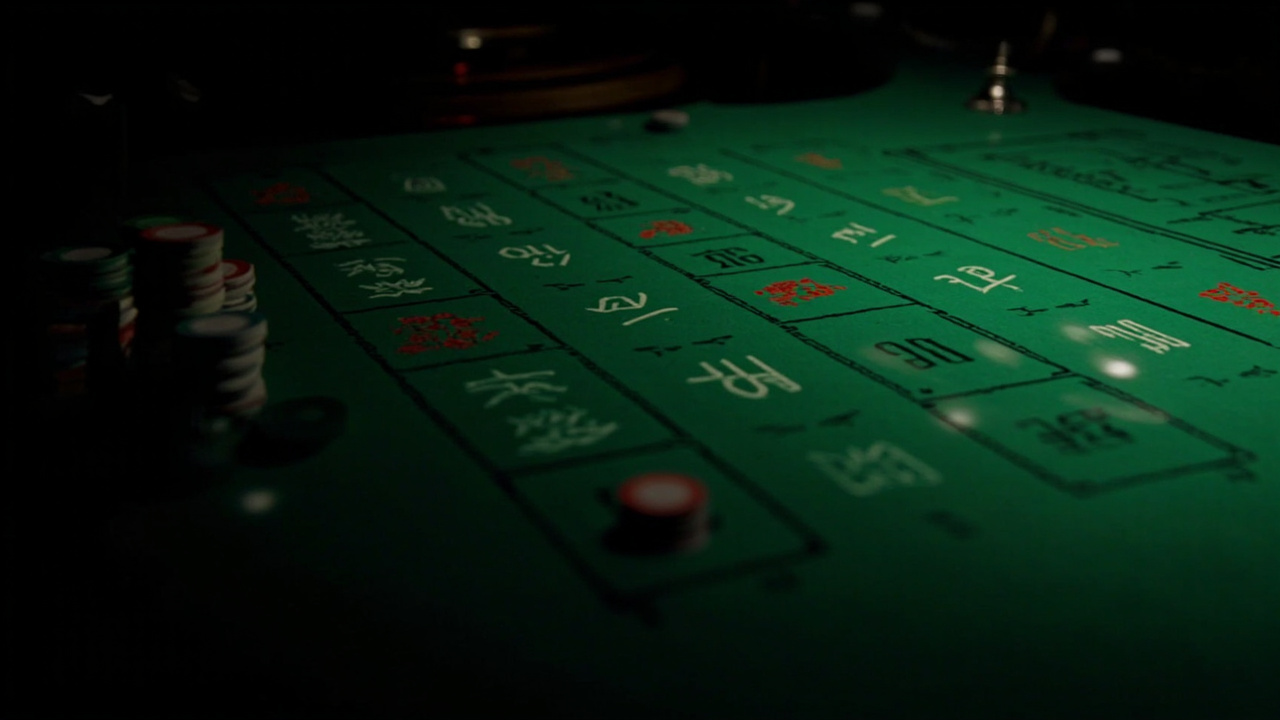
A well-built casino war real money experience is one that gets out of the way and lets the hand do the talking. The visual discipline, the local currency, and the plain rules matter more than any decorative flourish, and that is the difference between a table people return to and one they close after a single look. jackpotjill login